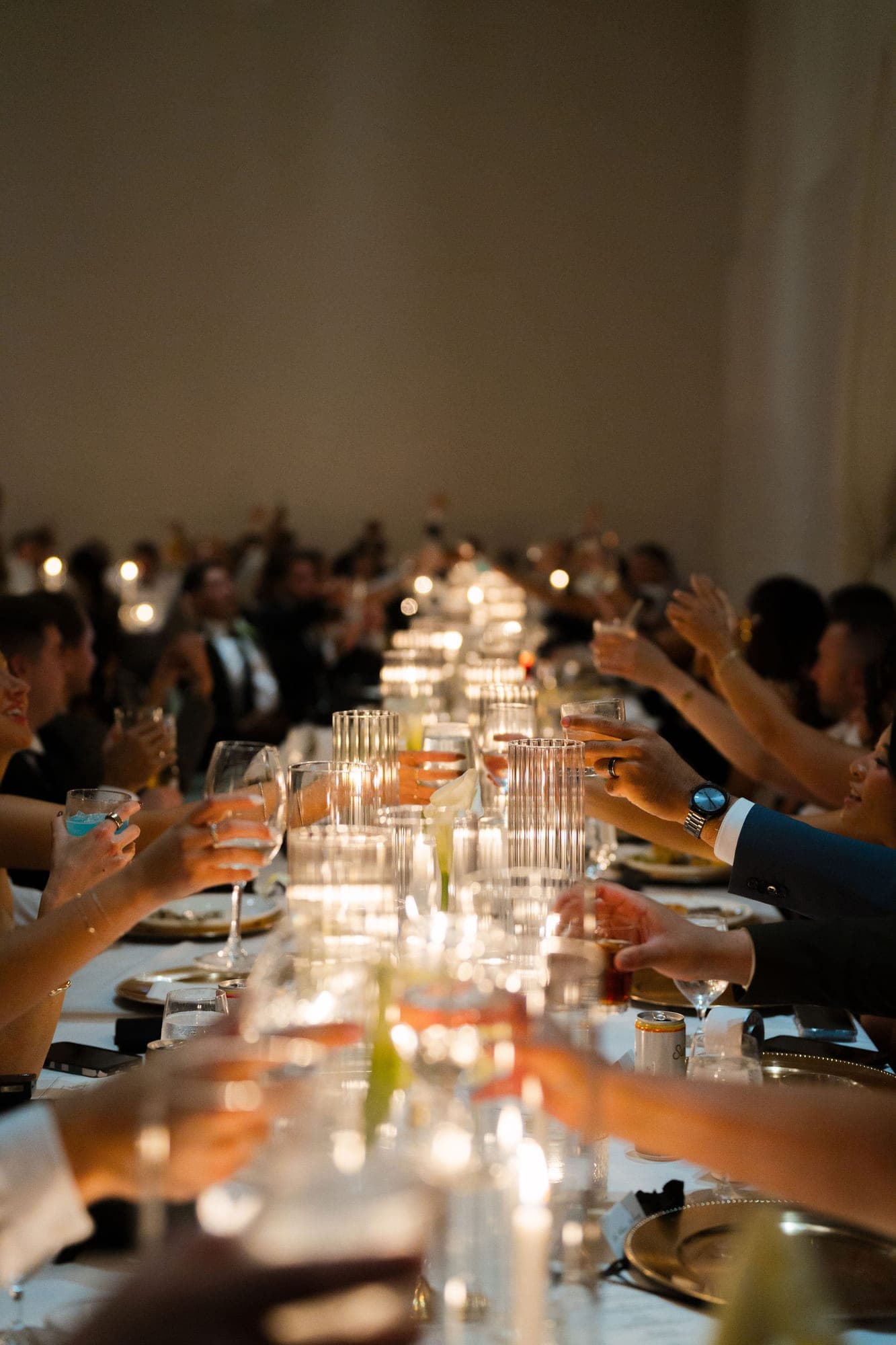
I photograph a lot of reception rooms in the fifteen minutes before doors open, which is the only time they are perfect. Over enough of those, patterns show up in what reads on camera and what quietly does not.
Here is where the money actually goes furthest.
Candles Are the Best Value in the Room
Nothing else comes close per dollar.
Taper candles at varying heights give you warmth, depth, and dozens of small points of light that make an entire room feel expensive. They also photograph beautifully once the lights come down.
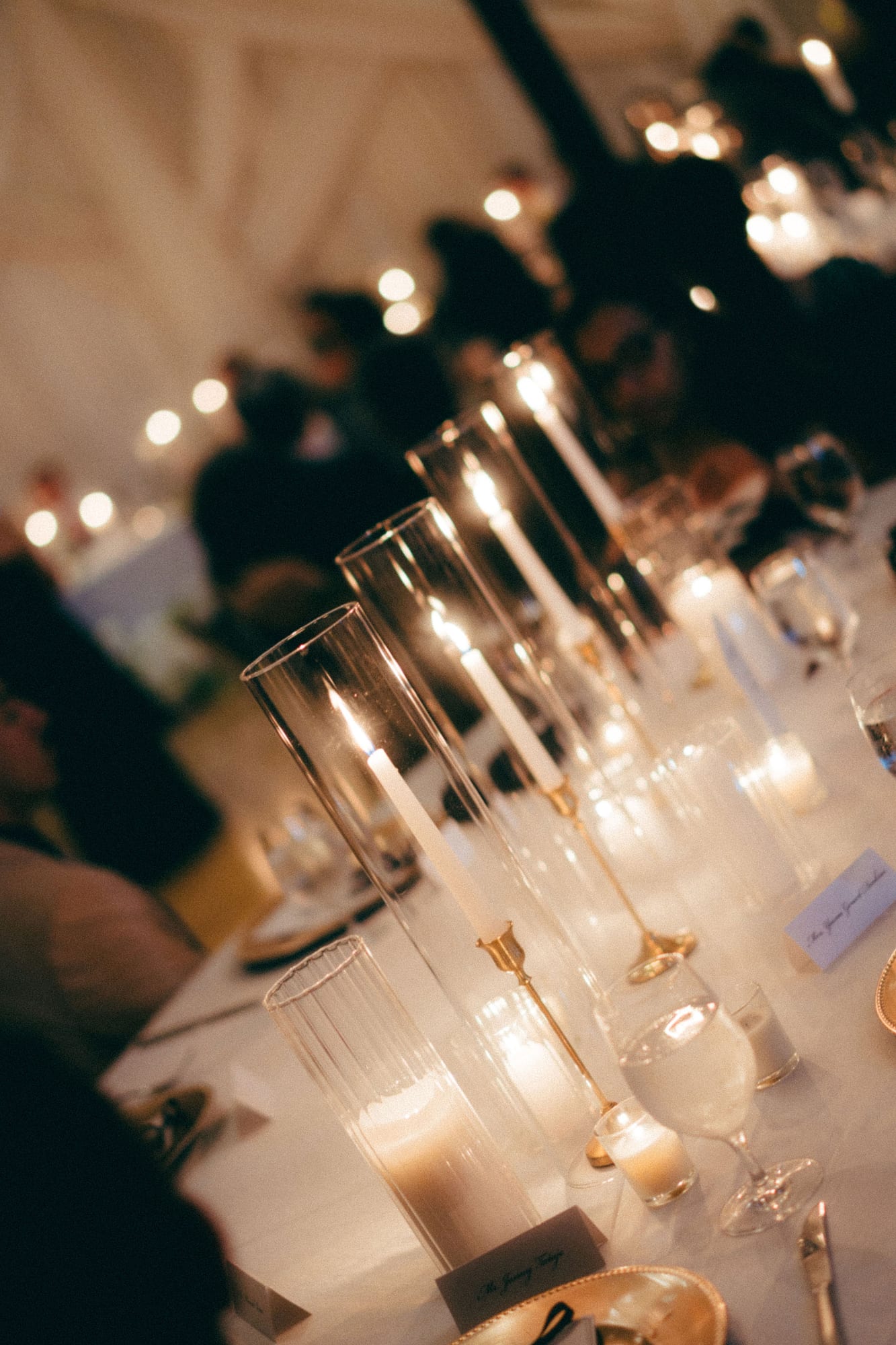
Practical note: ask your venue about open flame before you commit. Some require enclosed candles or LED, which is fine, just plan for it.
Long Tables Beat Rounds on Camera
Rounds are efficient. Long tables photograph better.
You get repetition running away from the camera, which creates depth, and you can run florals and candles down the center as one continuous line instead of eight separate arrangements.
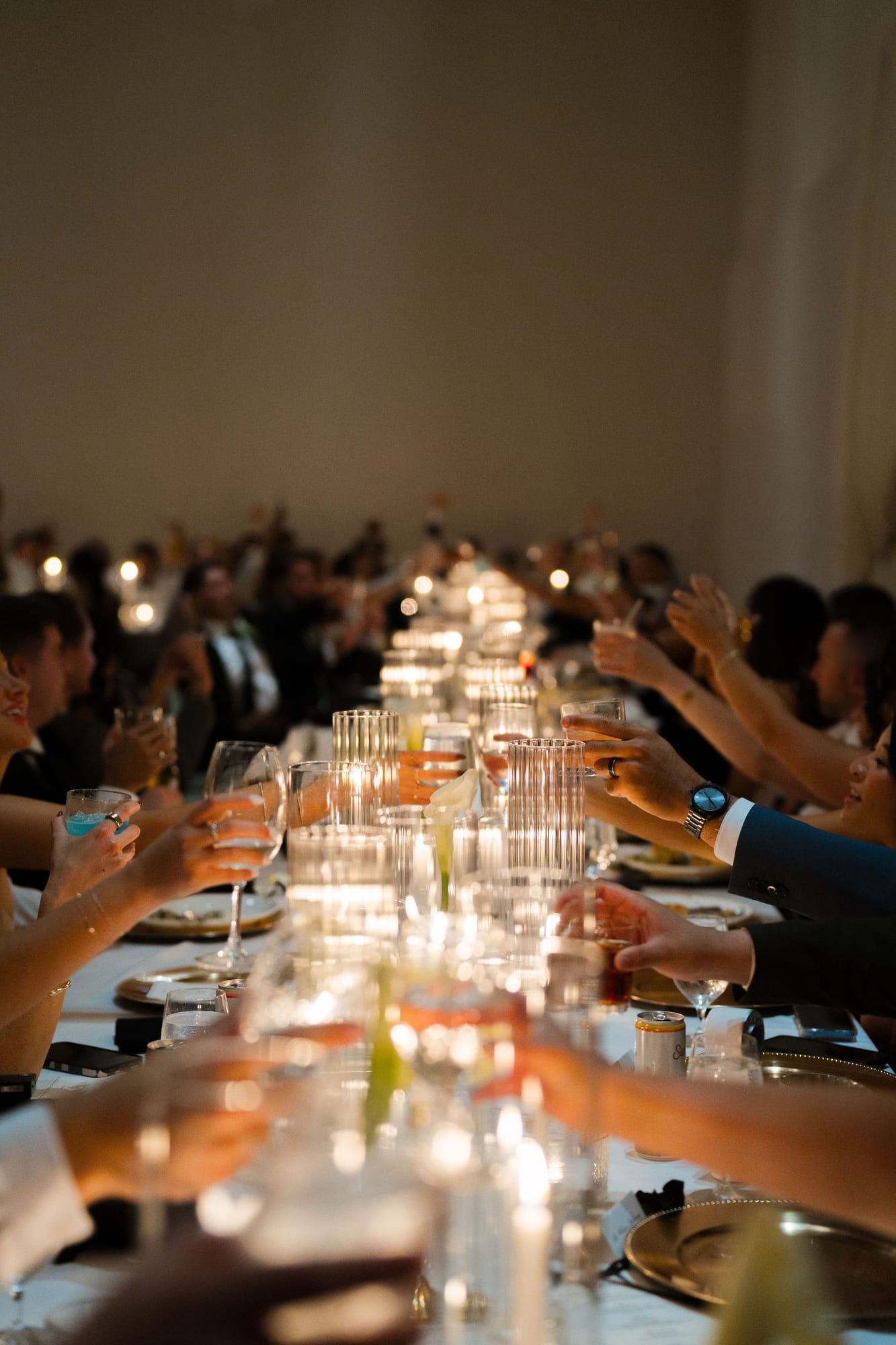
If your guest count makes rounds necessary, that is completely fine. Just put the budget into height on the centerpieces instead.
Height Matters
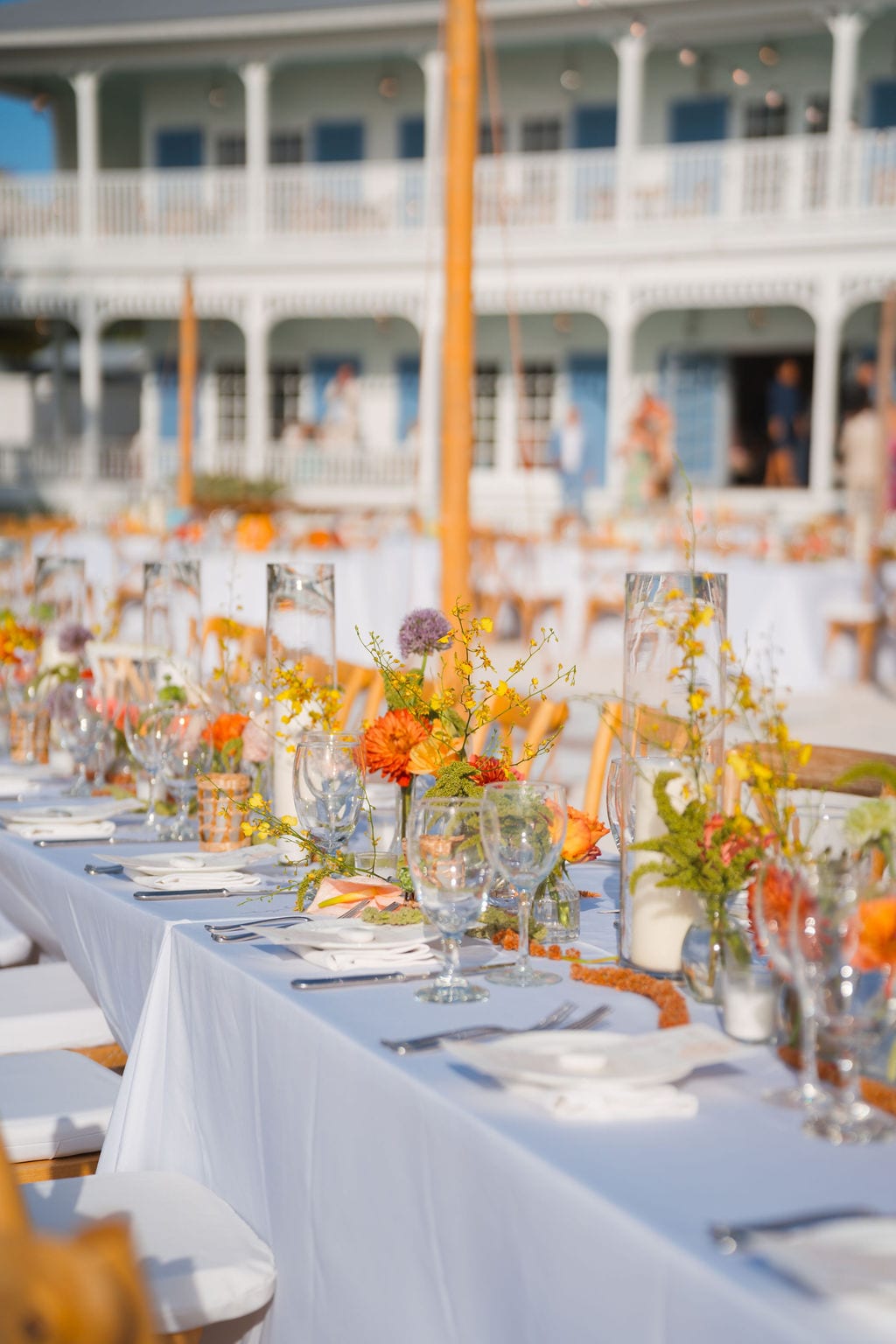
A flat table photographs flat. Something with height, whether that is tapers, tall arrangements, or hanging installations, gives the frame structure.
The rule is either low enough to see over (under about 14 inches) or tall enough to see under (over about 24 inches). The middle blocks sight lines and does not photograph well either.
The Lighting Decision
This one matters more than any decor choice you will make.
Ask what the reception lighting actually looks like at night. Not during the tour at 11am. At night.
Warm string lights or warm uplighting makes everyone look good. Colored uplighting, especially heavy blue, green, or purple, turns skin strange colors that are genuinely difficult to correct in editing.
If you want colored lighting, ask the DJ to keep it on the dance floor and walls rather than washing the dinner tables.
Small Things That Show Up
Menus and place cards. They are in nearly every table shot, so if you have nice paper it is worth it.
Napkins with texture or color. More visible than you would think.
Signature cocktails. They are held all night, so they end up in a lot of candids.
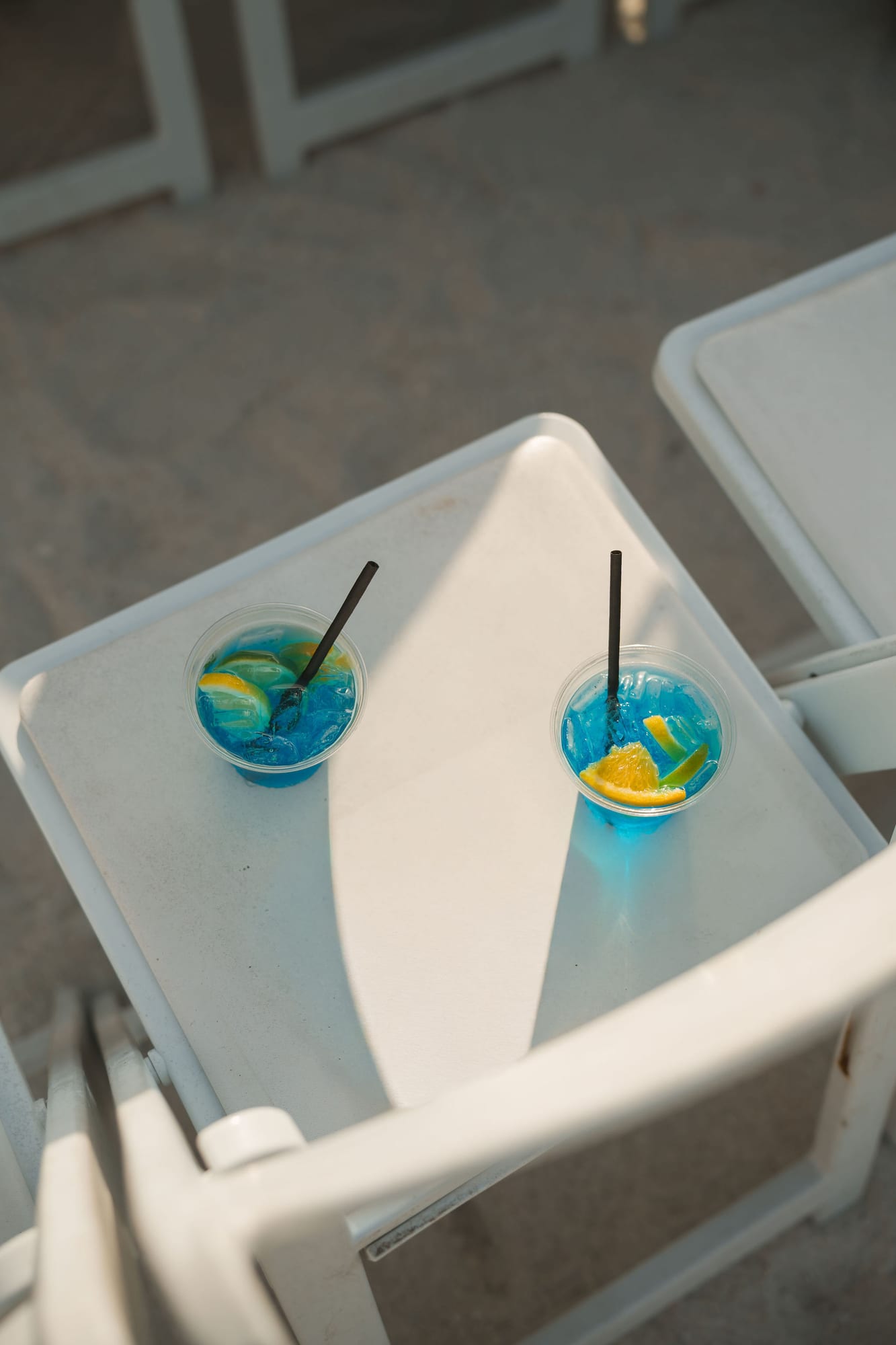
Table numbers. Small, but they anchor a lot of detail shots.
What Quietly Disappears
Anything on the floor. Almost never in frame.
Ceiling decor in a tall room. If the ceiling is far above the tables, it rarely lands in the same shot as your guests.
Very small favors. They photograph as clutter unless they are genuinely distinctive.
Elaborate napkin folds. They get unfolded in the first two minutes.
The Cake
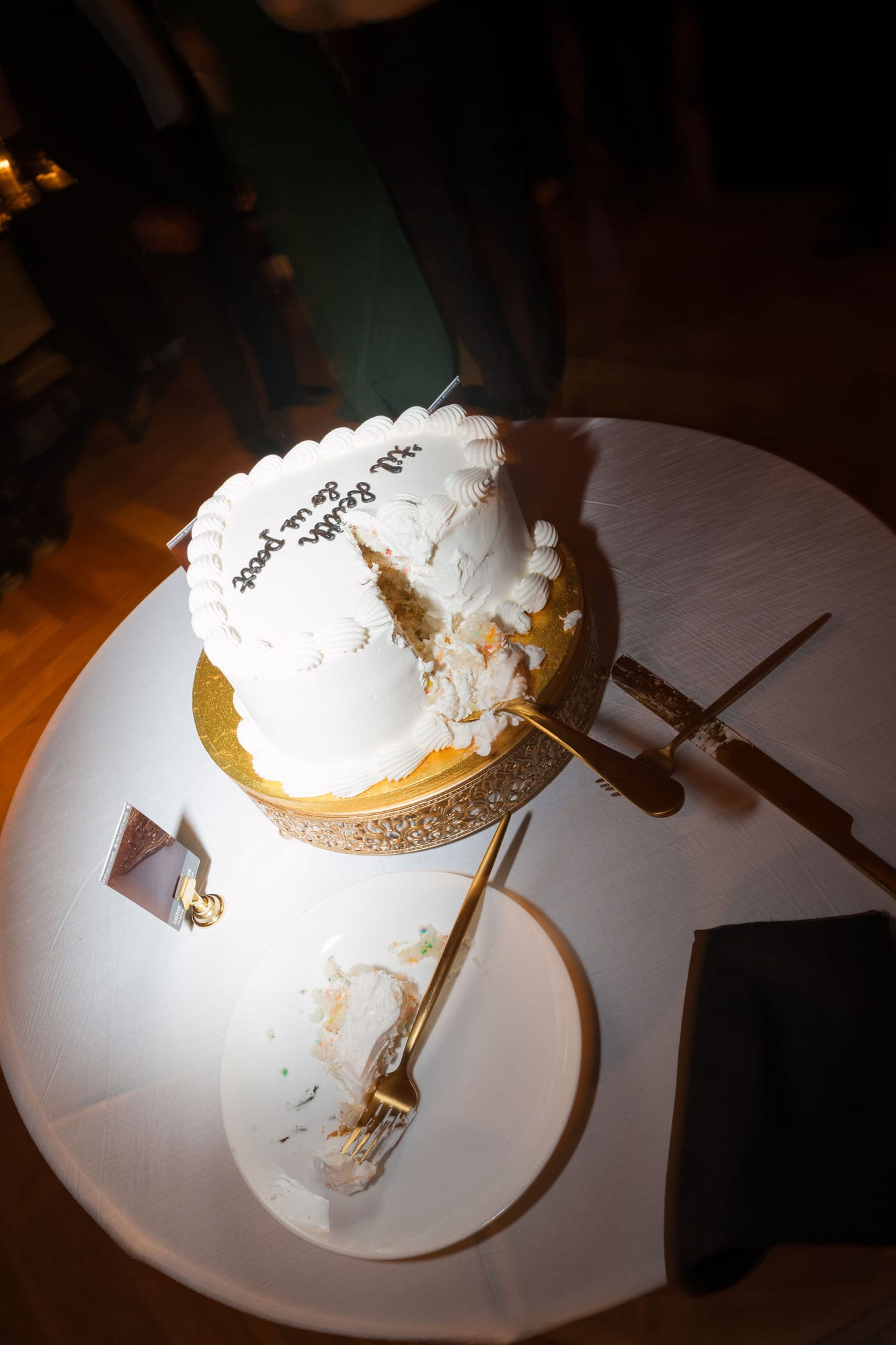
Worth putting somewhere with decent light and a clean background. A cake table shoved into a dark corner against a service door is the single most common decor regret I see.
Give Me Ten Minutes Alone
The most useful thing you can do costs nothing.
Ask your planner to hold guests out of the reception space for ten minutes after it is fully set. That is when I shoot the room, and it is the only chance to get it before napkins move and chairs shift.
Put it on the timeline. It is ten minutes and it is the difference between having photos of the room you designed and having photos of a room mid dinner.
Where I Would Spend
If I were allocating a reception decor budget purely for photos:
- Candles, lots of them
- Good lighting, warm not colored
- Height on the tables
- Nice paper for menus and place cards
- Everything else
Planning Yours
If you want a second opinion on how a room will photograph, send me the venue and your setup ideas. More on the portfolio, and you can reach out here.